Tables for the bar top and the floor
Lounge tables at 610 mm, seated tables at 740 to 780 mm, counter height near 900 mm, and poseur tops at 1050 to 1100 mm that line up with a 750 mm stool. All cut to the room rather than rounded up to a catalogue size.
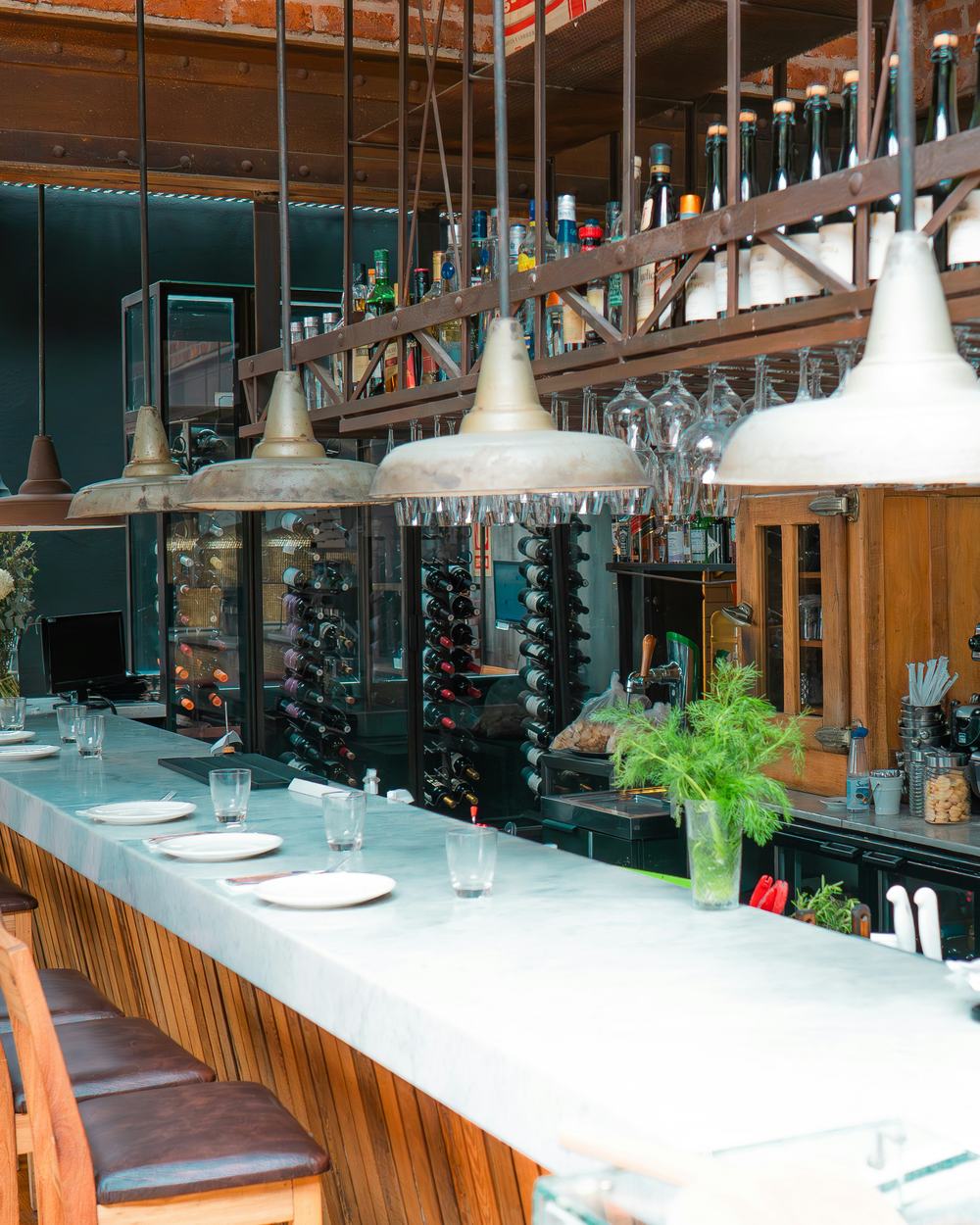
Table models in current production
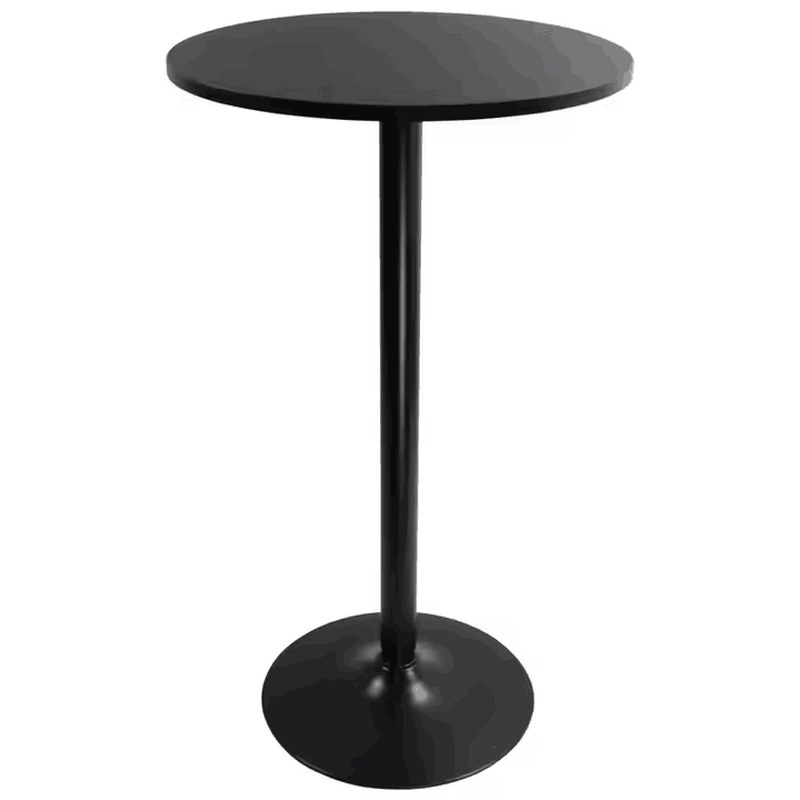
Round bar height table, 600 mm top
- Ø600 × H1054 mm
- Steel top and column
- Cast iron disc base
- Custom colour
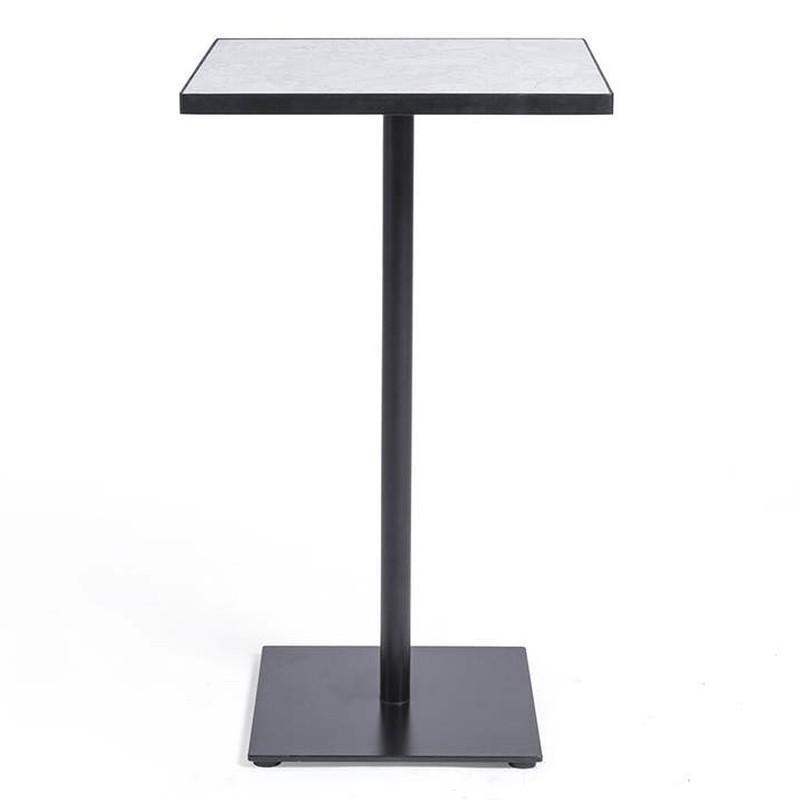
Square bar height table, 600 mm top
- 600 × 600 × H1050 mm
- Fire-proof plate top
- Steel column, plate base
- White or custom colour
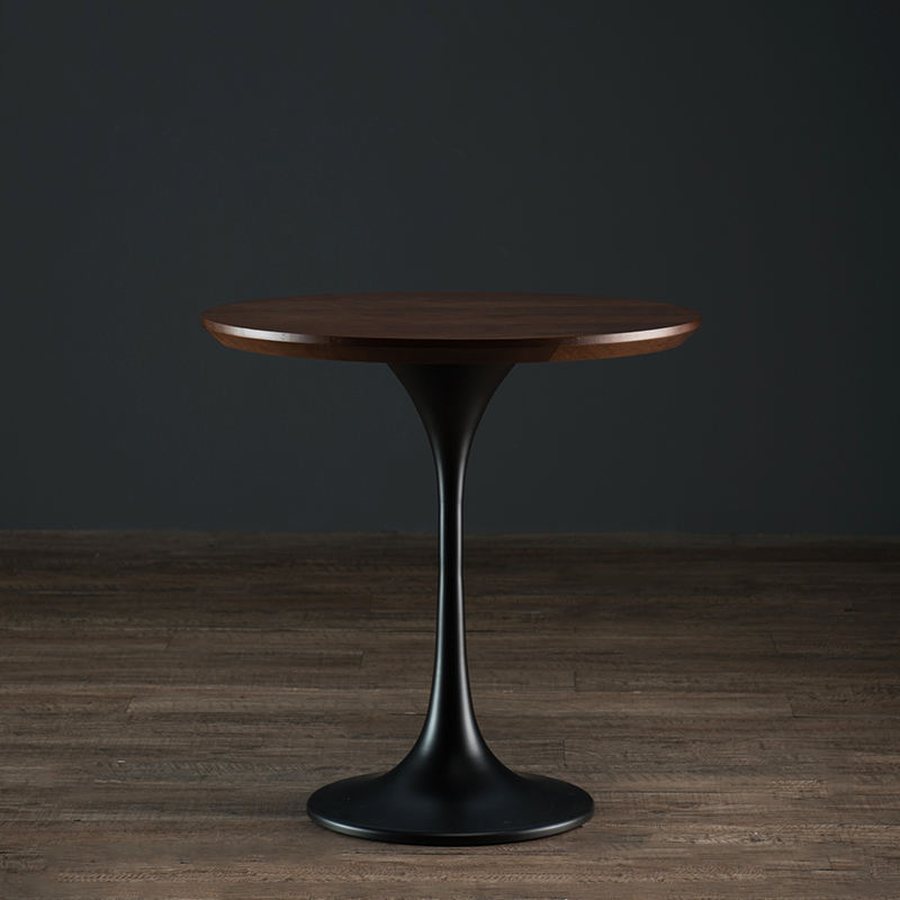
Round lounge table, 610 mm high
- Ø500 / Ø600 / Ø700 mm
- 610 mm
- Wood panel, brown finish
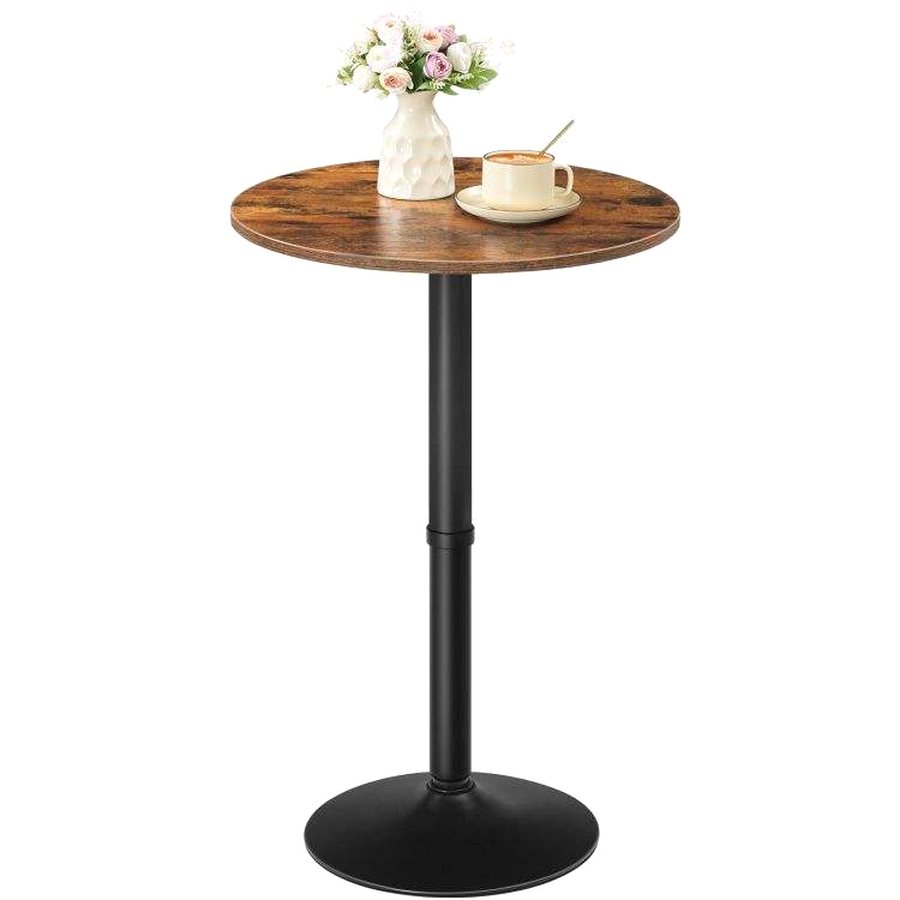
Industrial round pub table, 890 mm
- Ø550 mm
- 890 mm
- Iron, dark finish
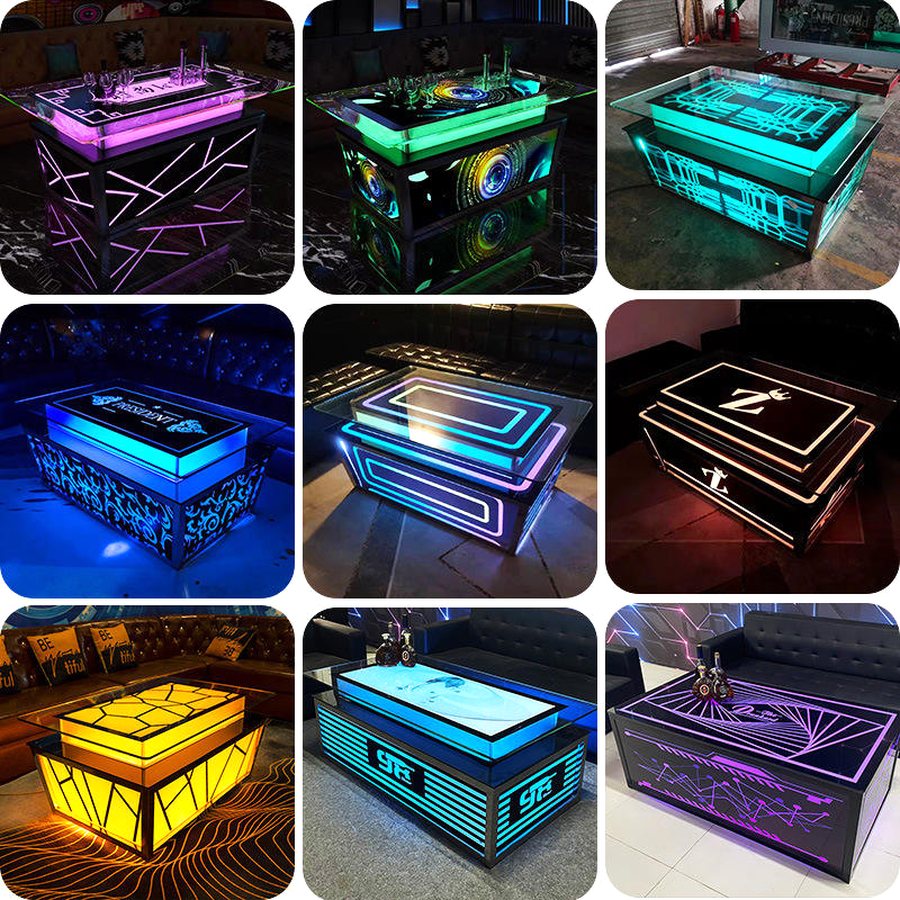
Backlit glass top table
- Tempered glass over an LED layer
- Colour changing, controlled from the table
- Stainless steel
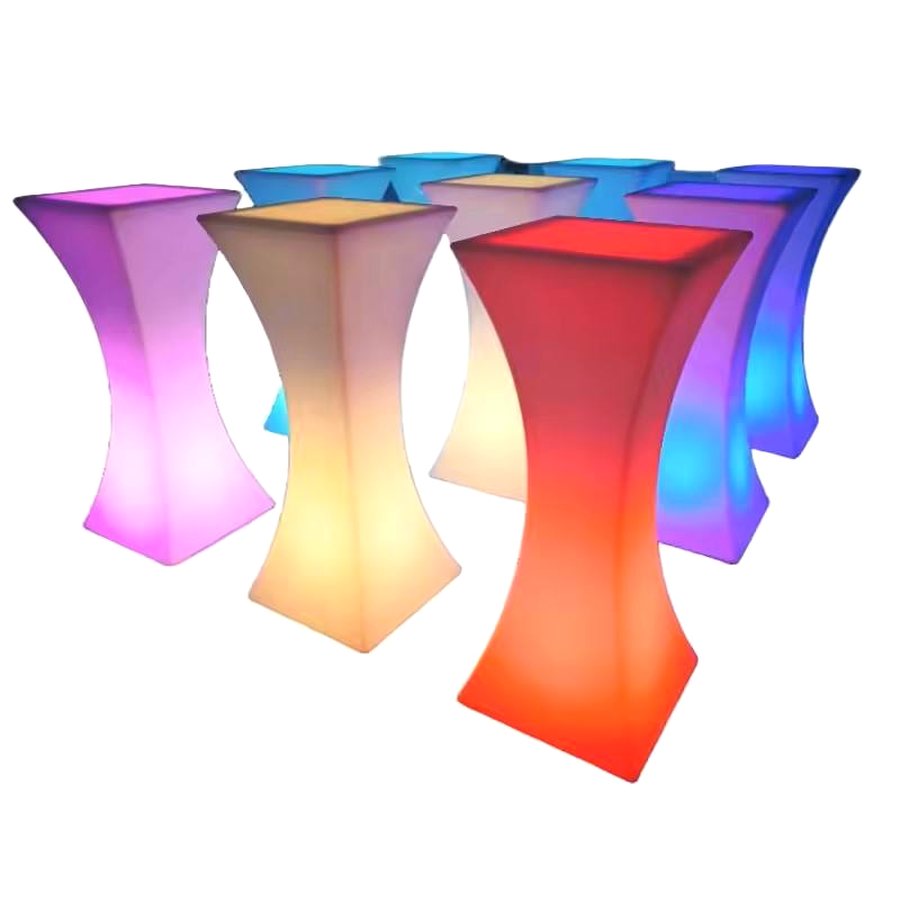
Cocktail table, 1100 mm, lit body
- 450 × 450 mm
- 1100 mm
- Moulded plastic, white
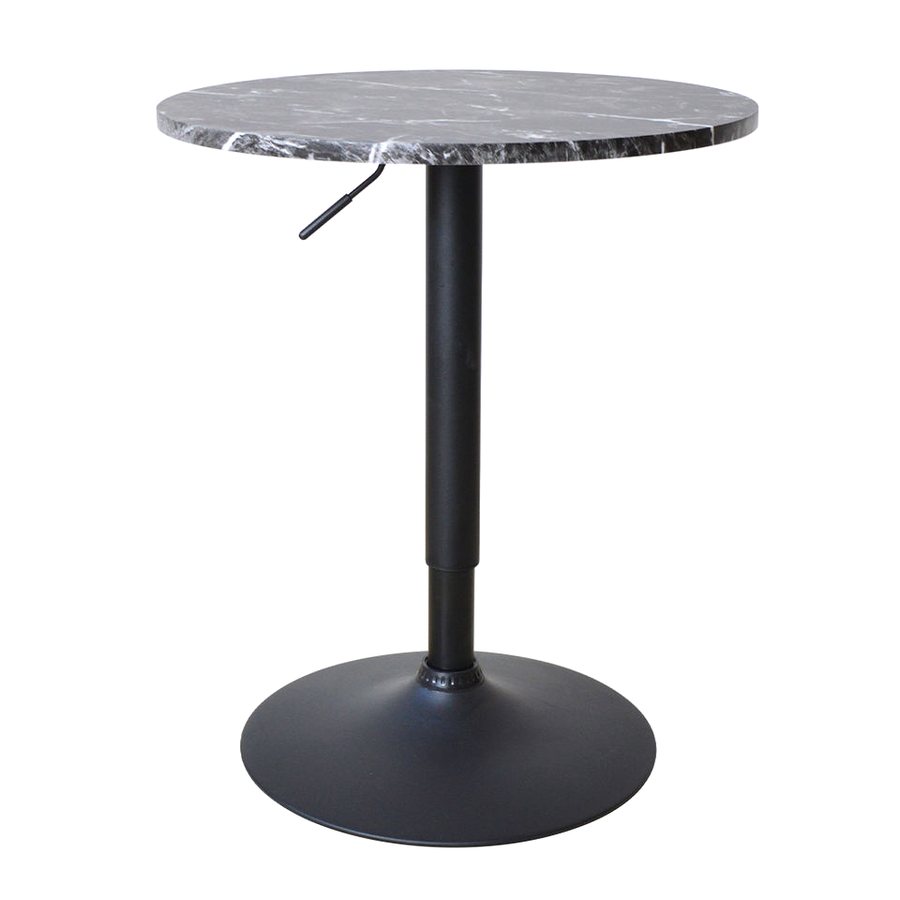
Height adjustable table, 600 mm top
- 600 × 600 mm
- 700 to 910 mm, adjustable
- Marble effect
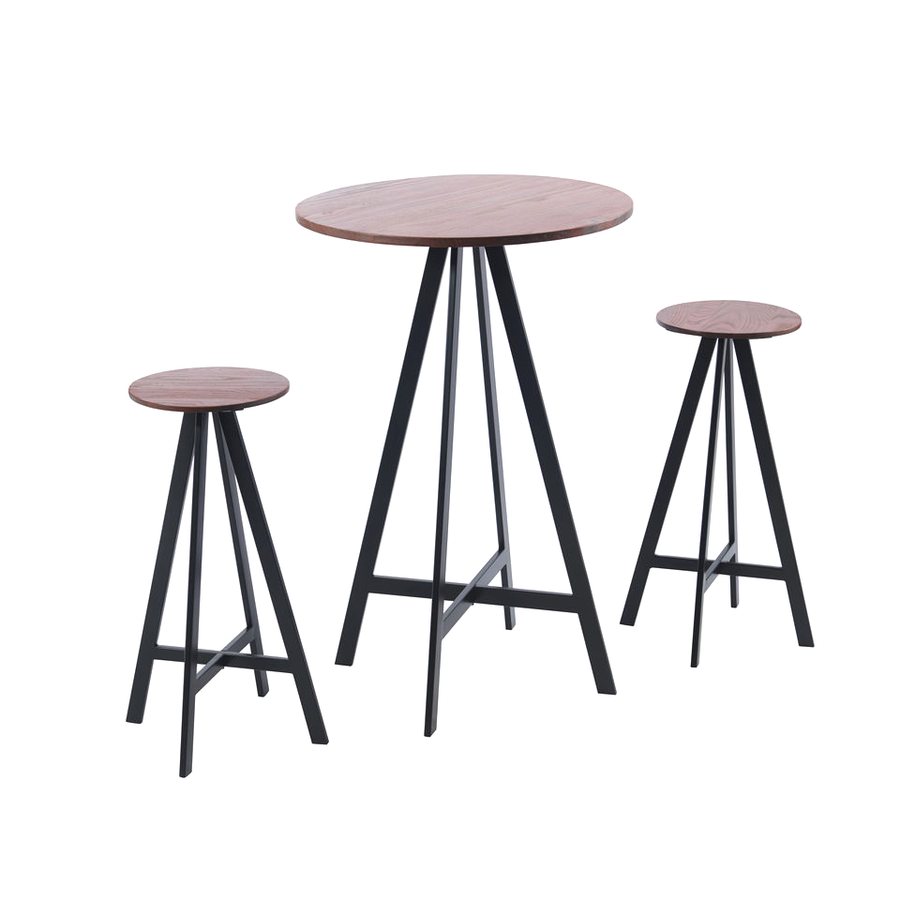
Solid wood top bar table, 1060 mm
- 700 × 700 mm
- 1060 mm
- Solid wood
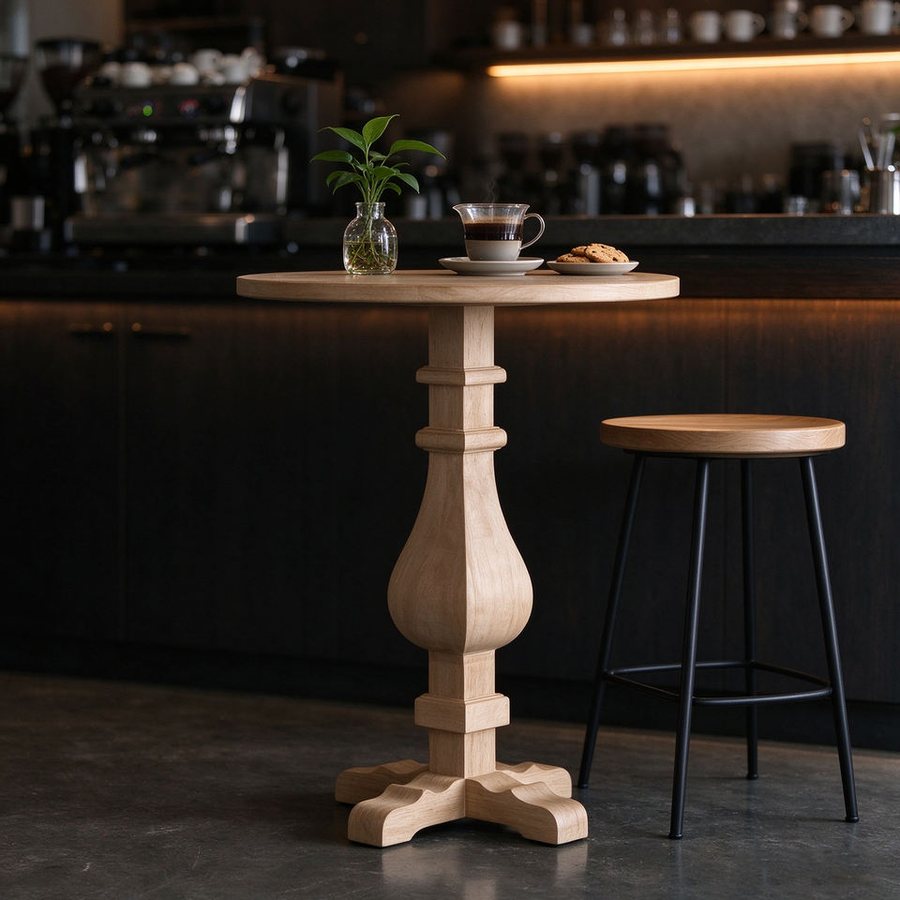
Solid wood pedestal bar table, 1060 mm
- Ø800 mm
- 1060 mm
- Solid wood
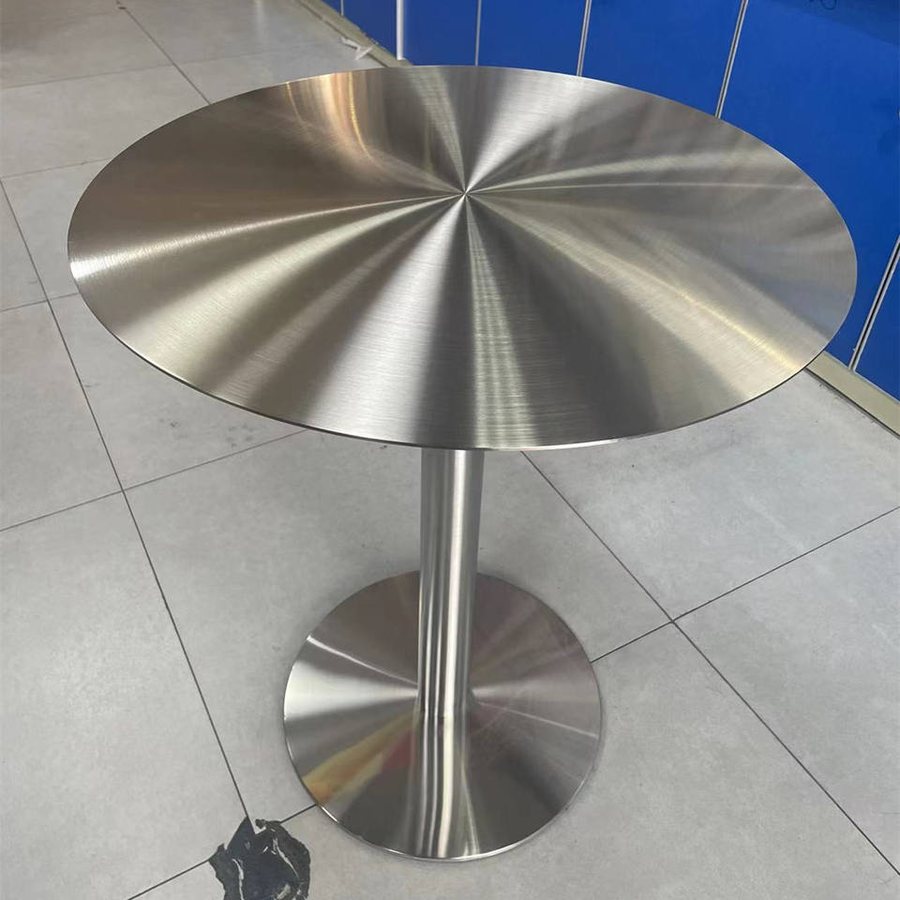
Brushed stainless round table
- Ø400 / Ø500 / Ø600 mm at 740 mm
- Ø700 mm at 780 mm
- Brushed stainless steel
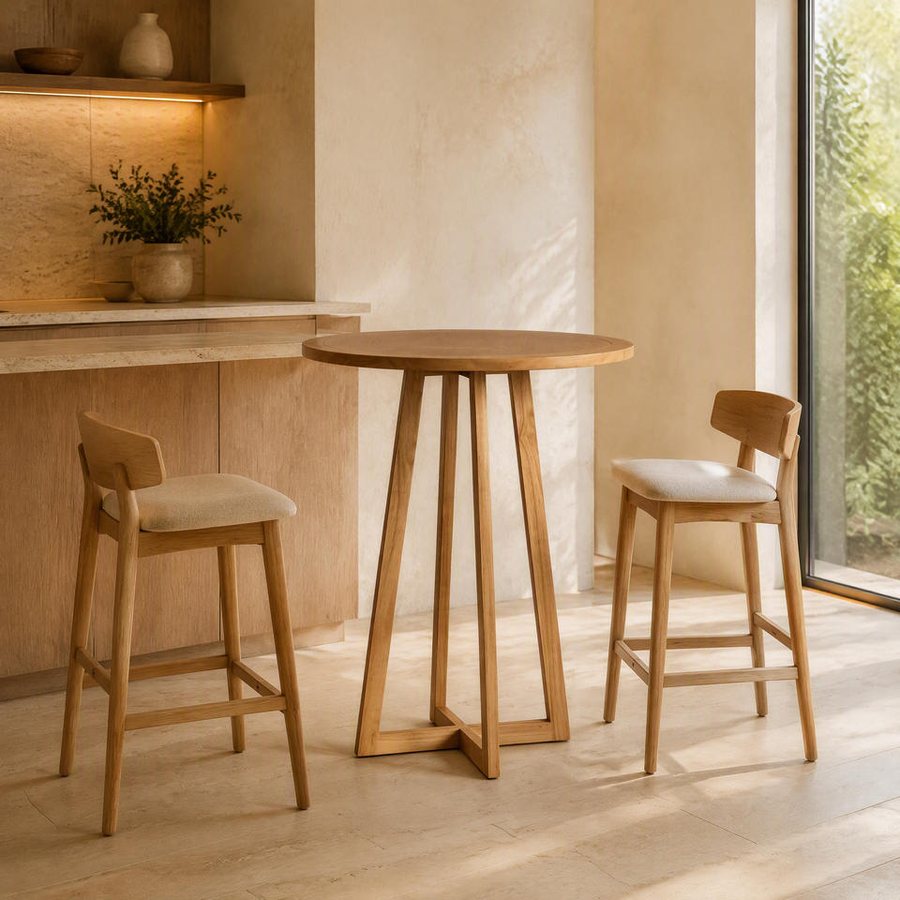
Nordic solid wood bar table, 900 mm top
- 900 × 900 mm
- 1060 mm
- Solid wood
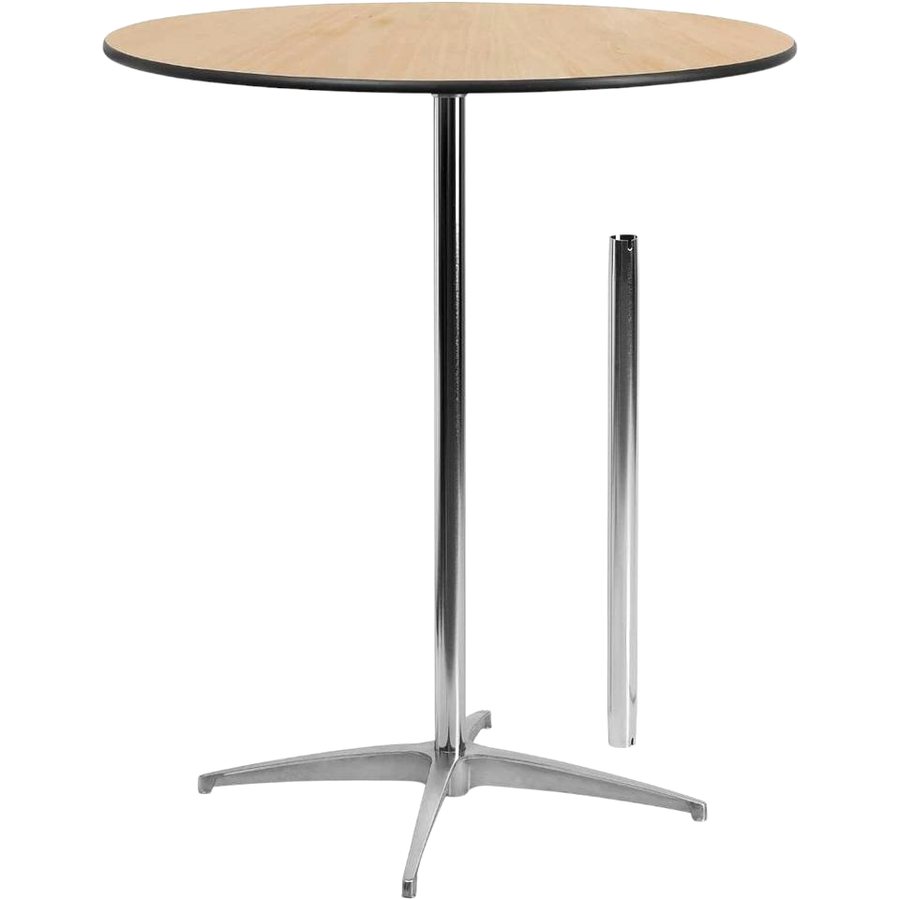
Pedestal bar table, height adjustable
- Round or square, made to size
- Adjustable on the column
- Wood
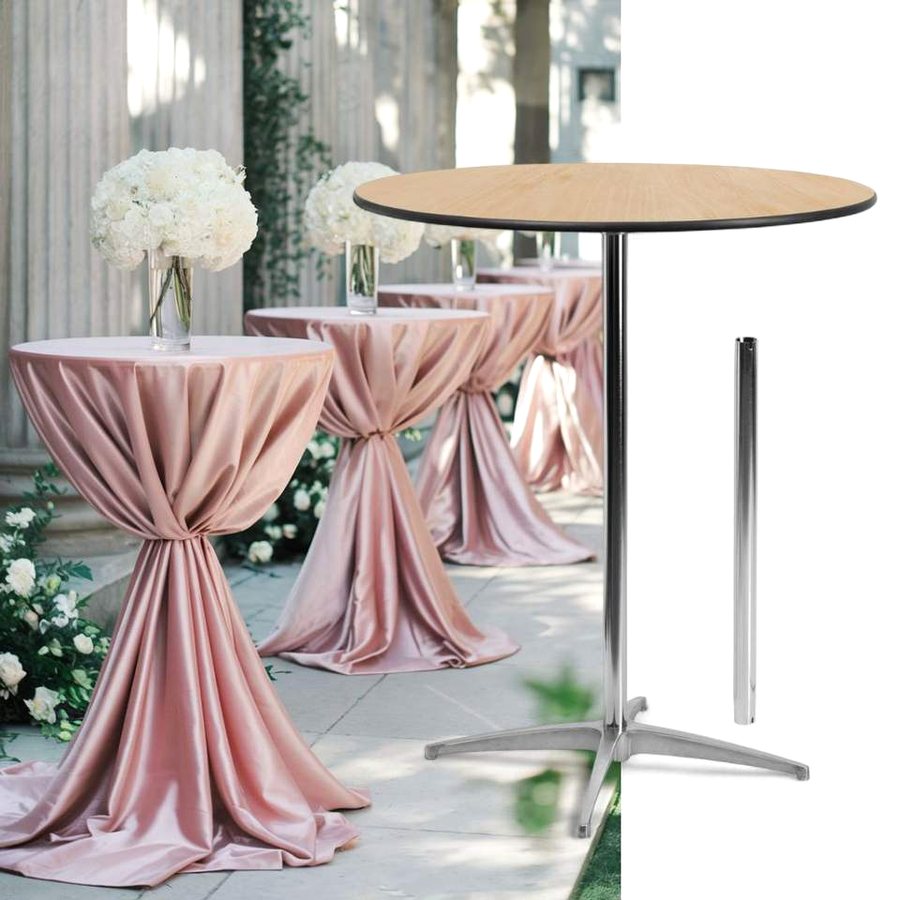
Teak railing table, 762 mm
- Ø610 / Ø762 / Ø915 mm
- 762 mm
- Solid teak
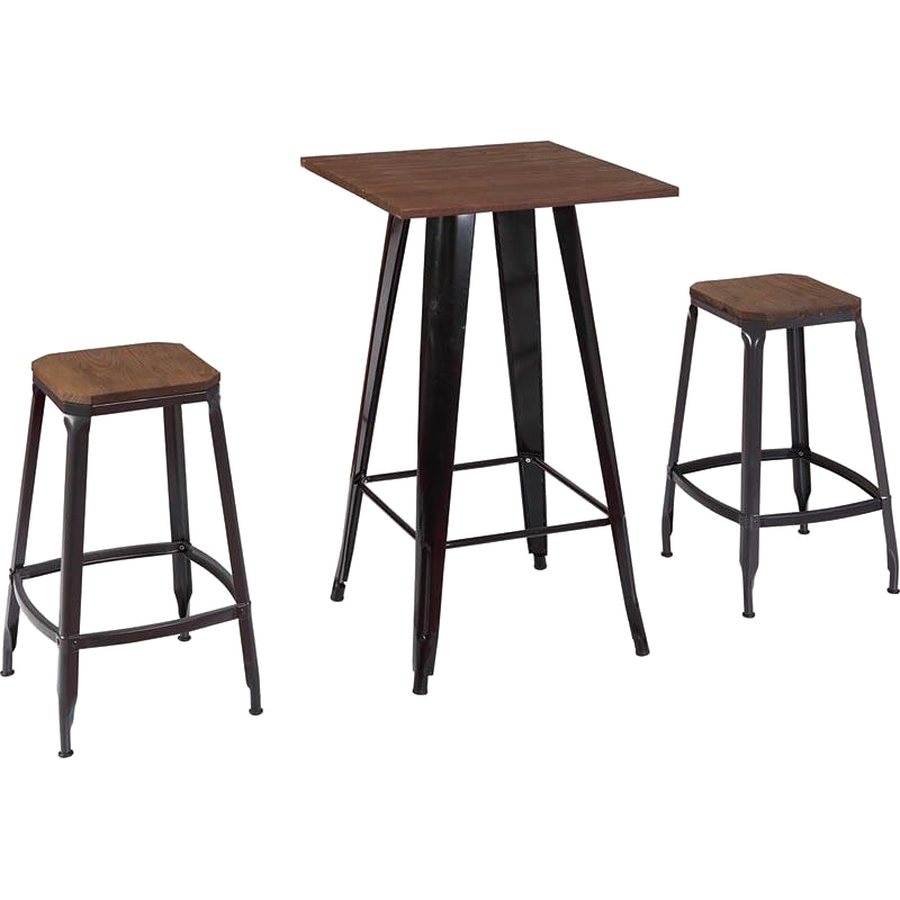
Metal bar table, 1020 mm
- 600 × 600 mm
- 1020 mm
- Steel
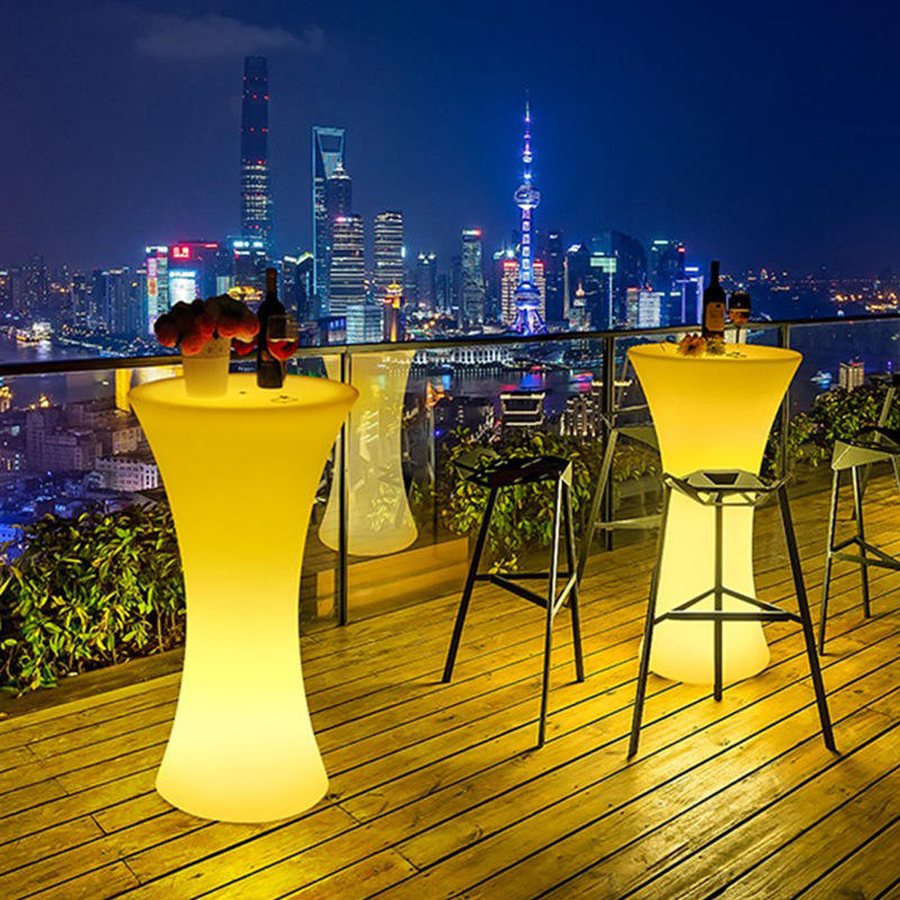
Illuminated bar table, 16 colours
- 600 / 800 / 1000 / 1050 / 1100 mm
- LED, 16 colour settings
- Plastic, sealed
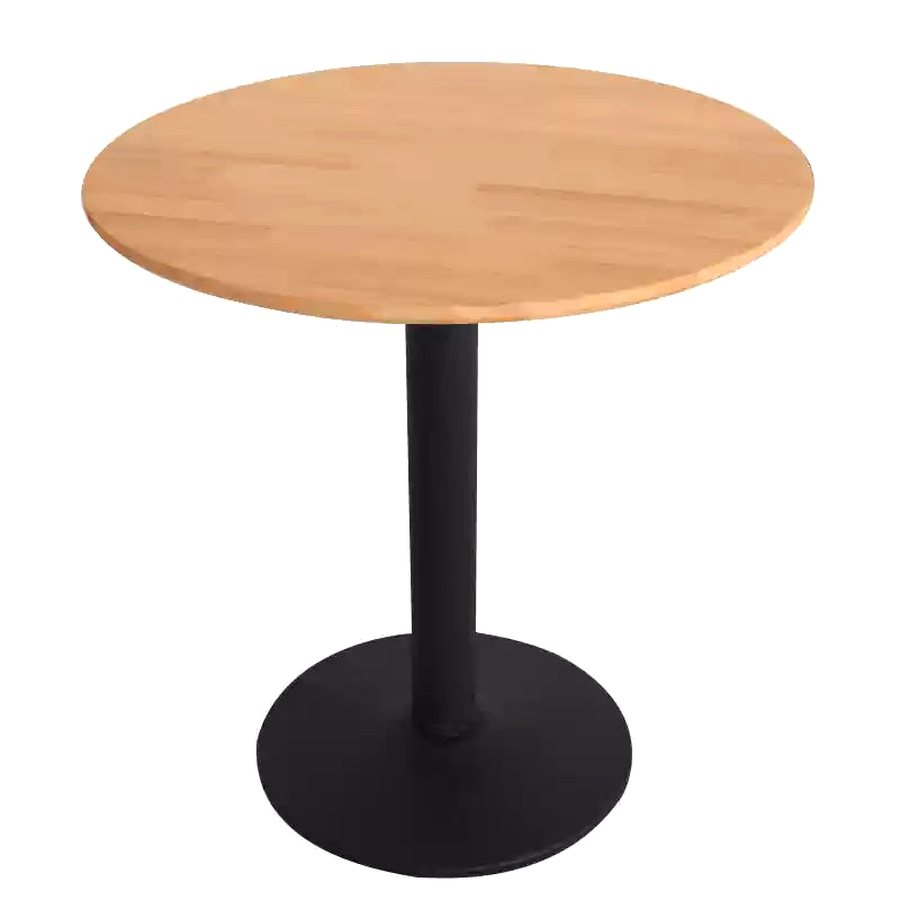
Solid wood table, four seats
- 4
- Solid wood
- Solid wood, tapered legs
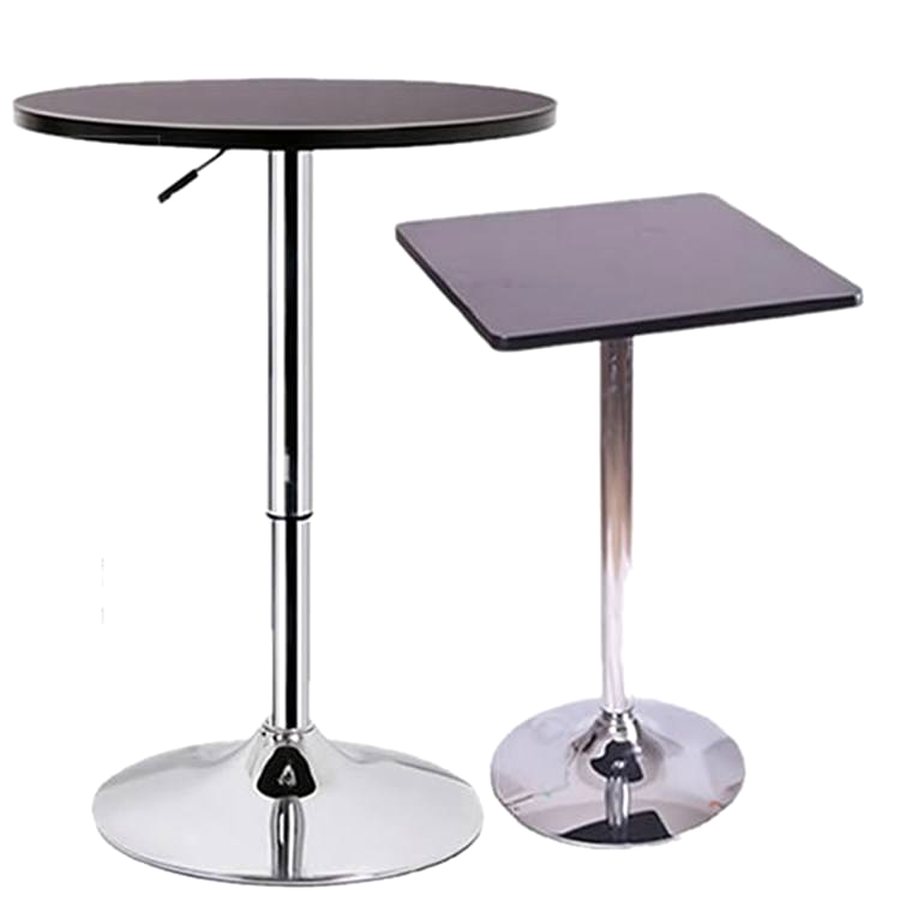
Round pedestal bar table, 1050 mm
- Ø800 mm
- 1050 mm
- Wood face on MDF core
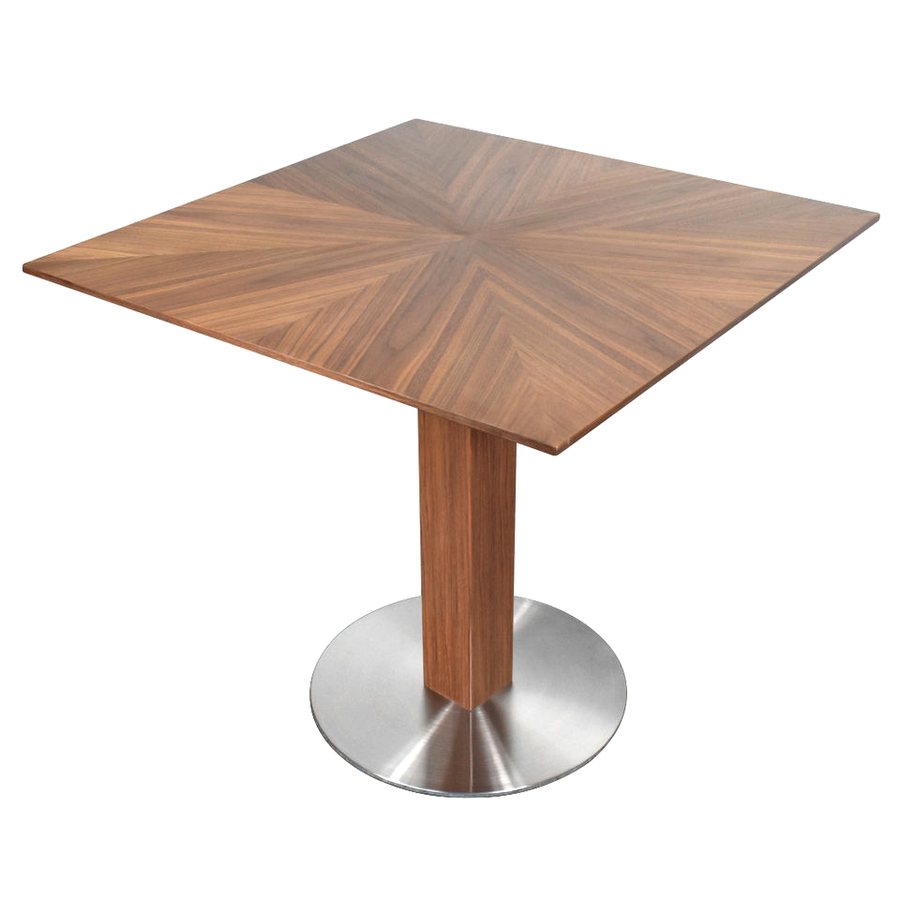
Wood grain metal table
- Square, made to size
- Steel with wood grain powder coat
- Steel
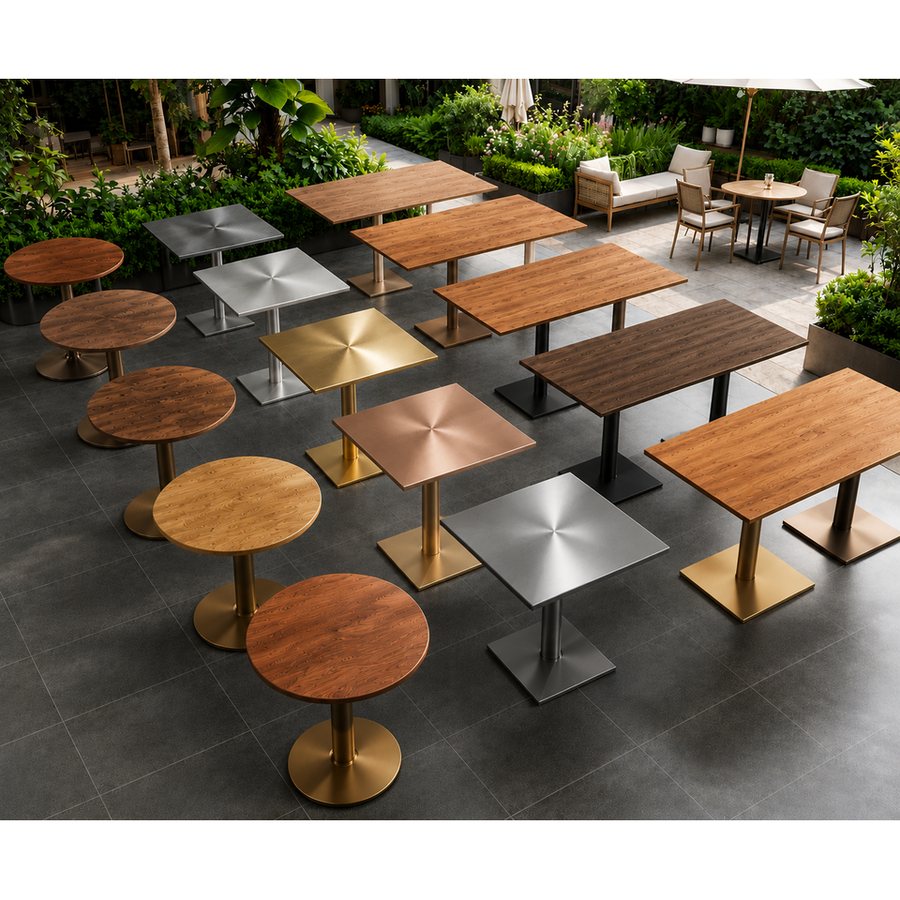
Sintered stone top table
- Sintered stone, round / square / rectangular
- Metal
- Takes hot dishes directly
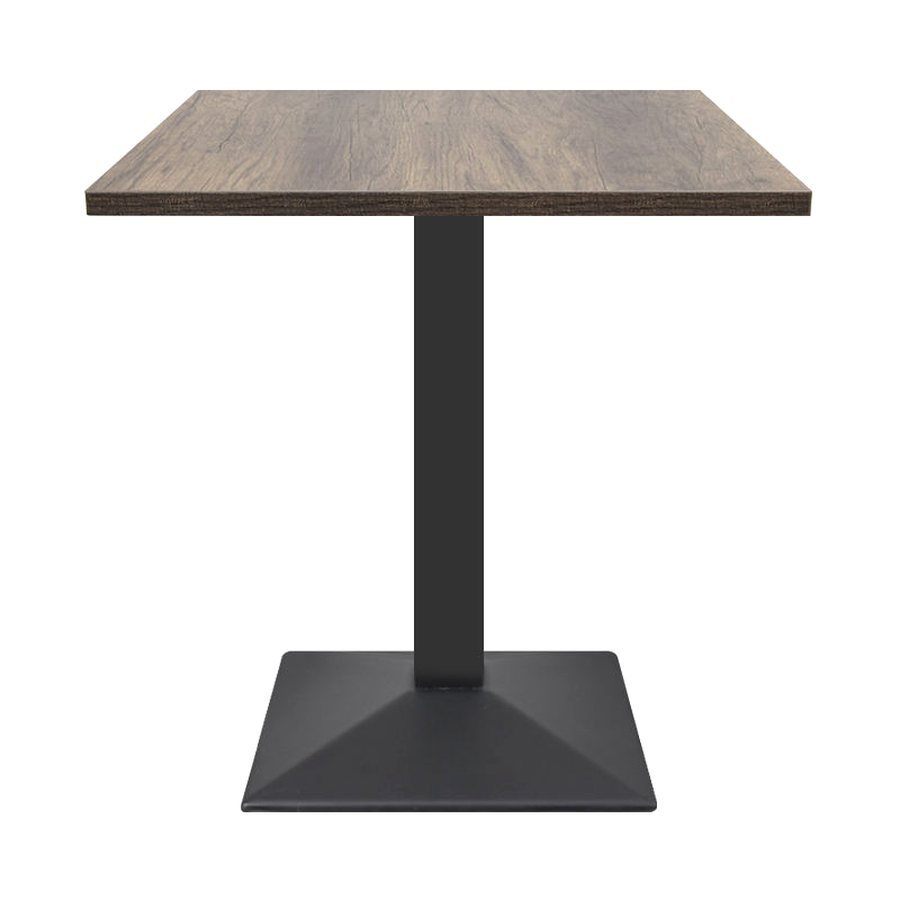
Compact laminate top table, square
- Compact laminate, square
- Iron, black
- Pedestal
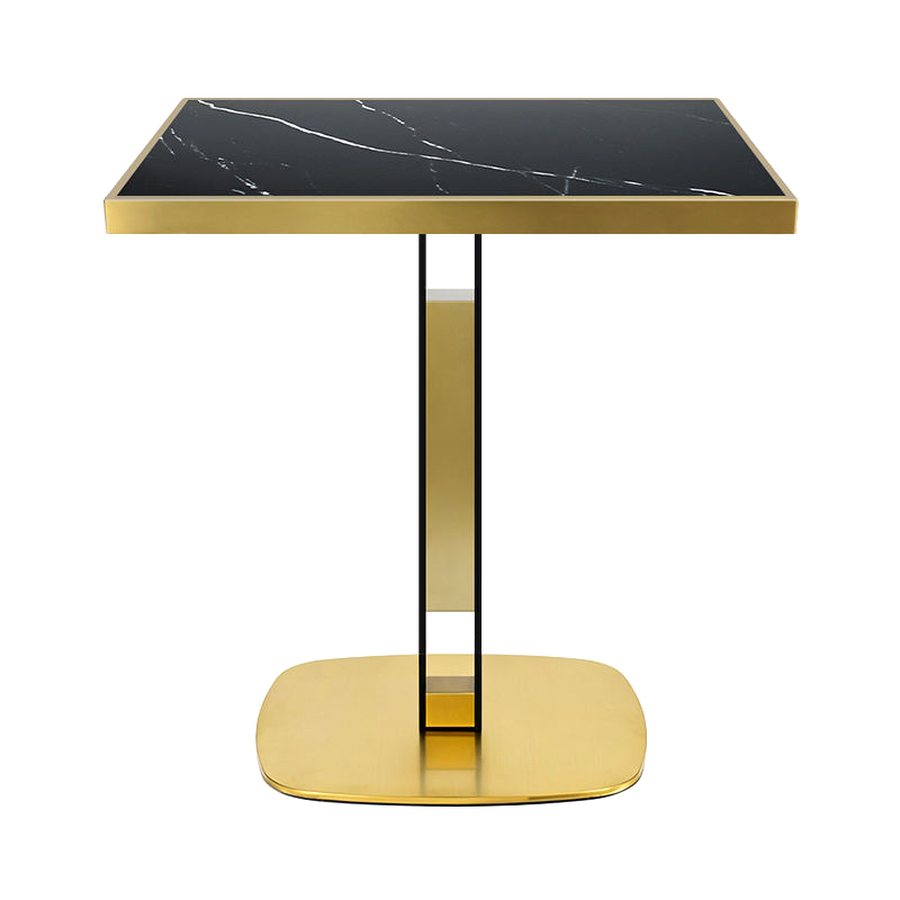
Stone top table, gold and black base
- Sintered stone, square
- Stainless steel, gold and black
- Made to order
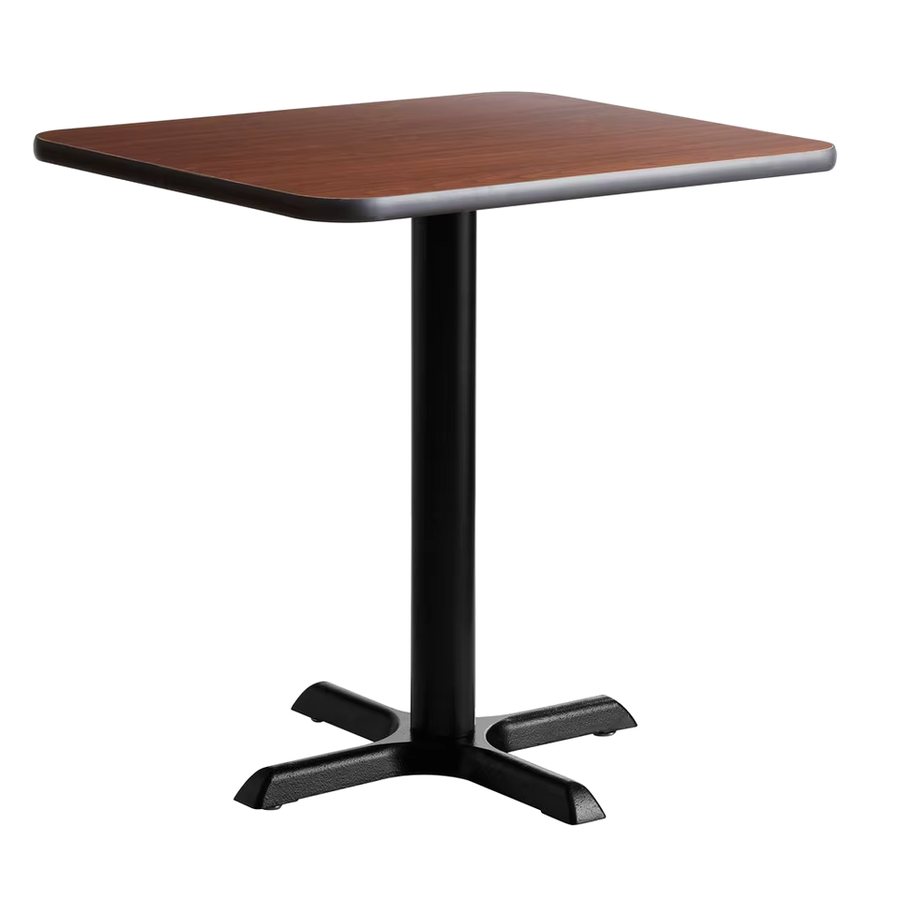
Square wood top table, four sizes
- 24 / 30 / 36 / 42 inch square
- Wood face, heat pressed
- Metal
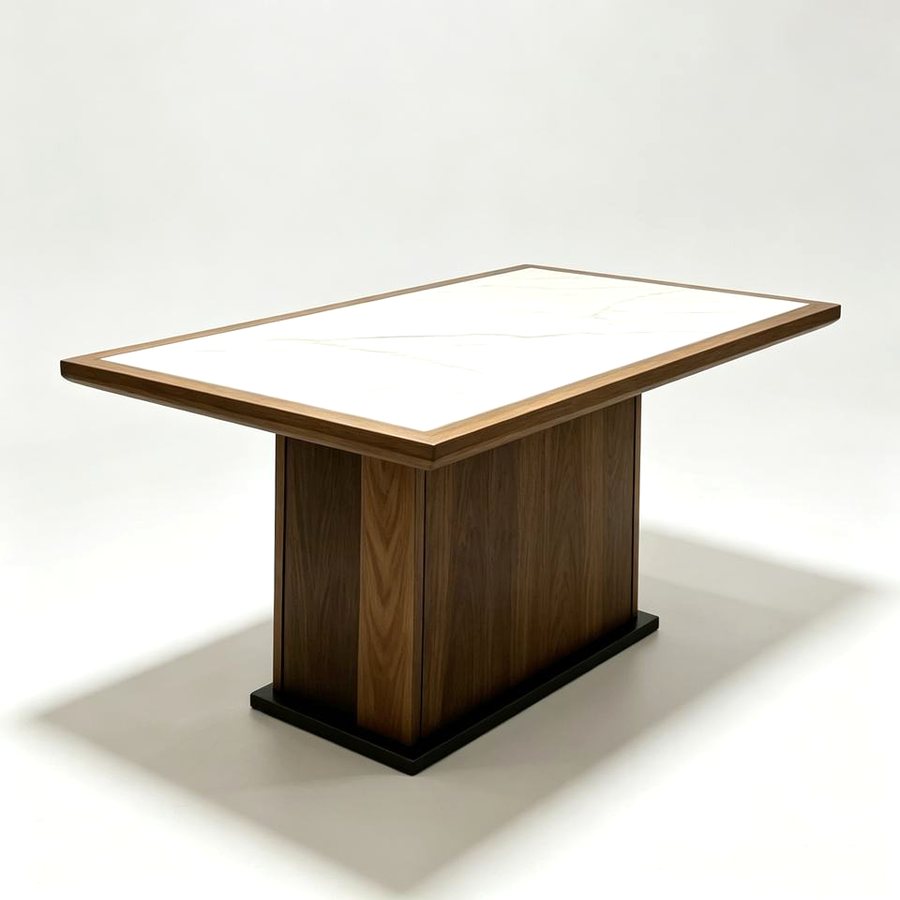
Rectangular pedestal table
- Rectangular, made to length
- Wood
- Steel plate
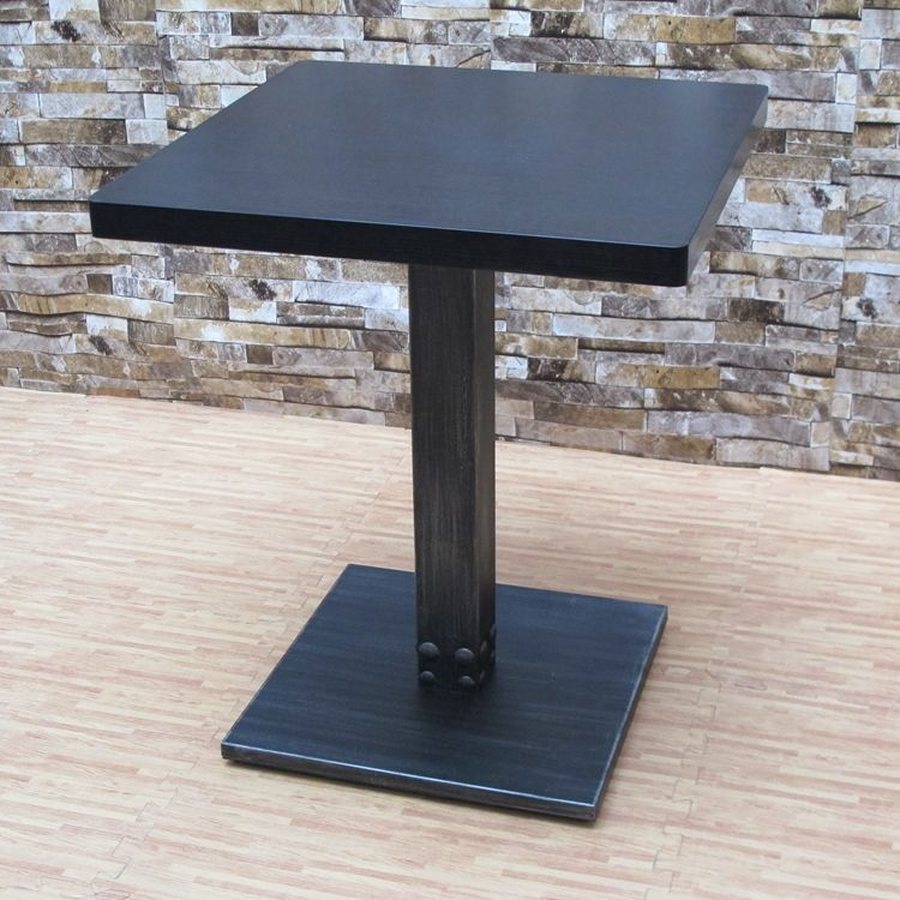
Square table, 600 × H740 mm
- 600 × 600 mm
- 740 mm
- Wood
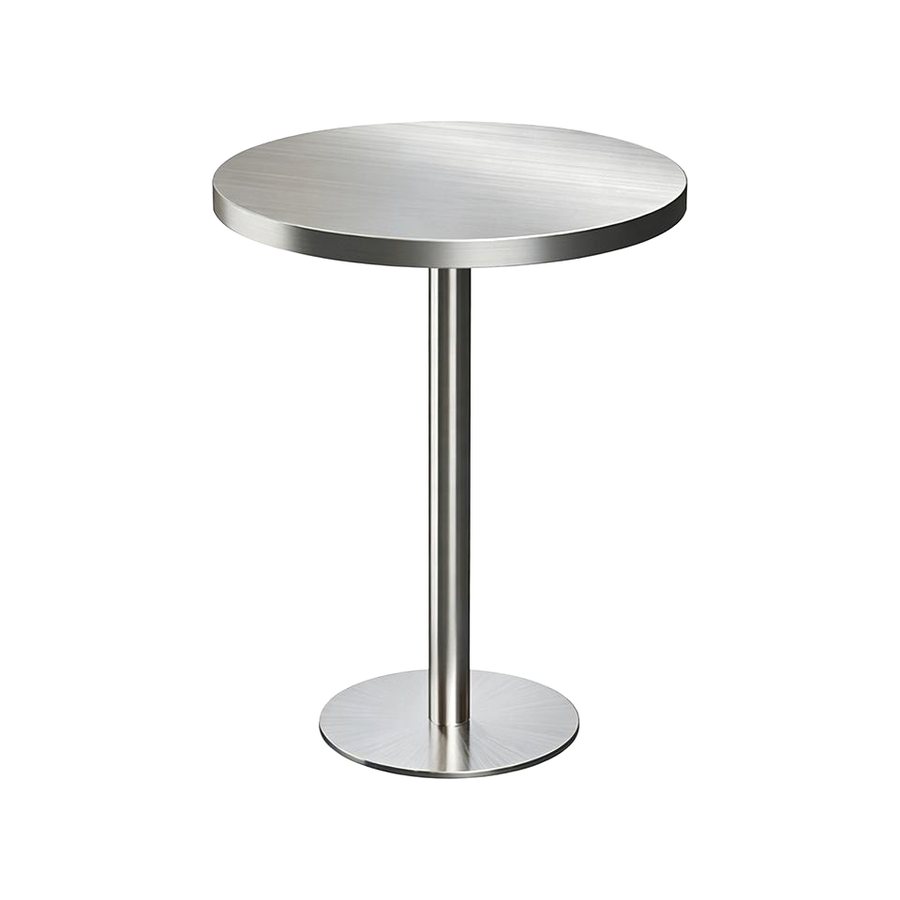
Round stainless table, 500–800 mm
- Ø500 / Ø600 / Ø700 / Ø800 mm
- Stainless steel
- Stainless steel
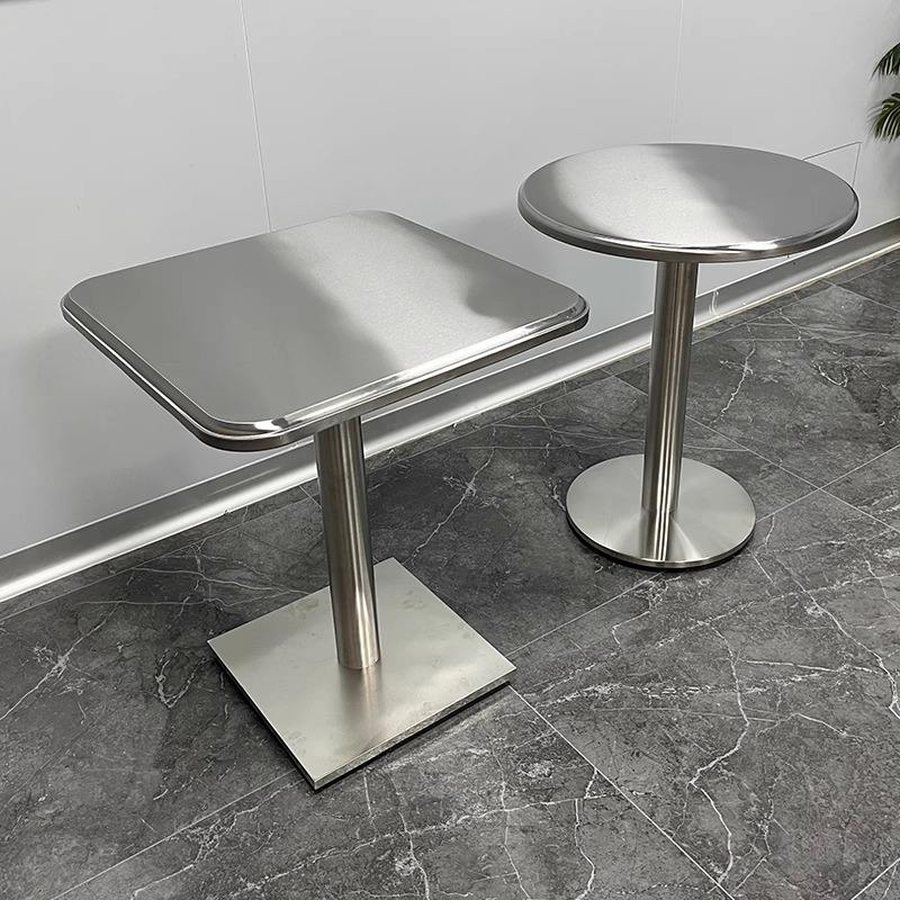
Stainless table, height adjustable
- Made to size
- Adjustable on the column
- Stainless steel
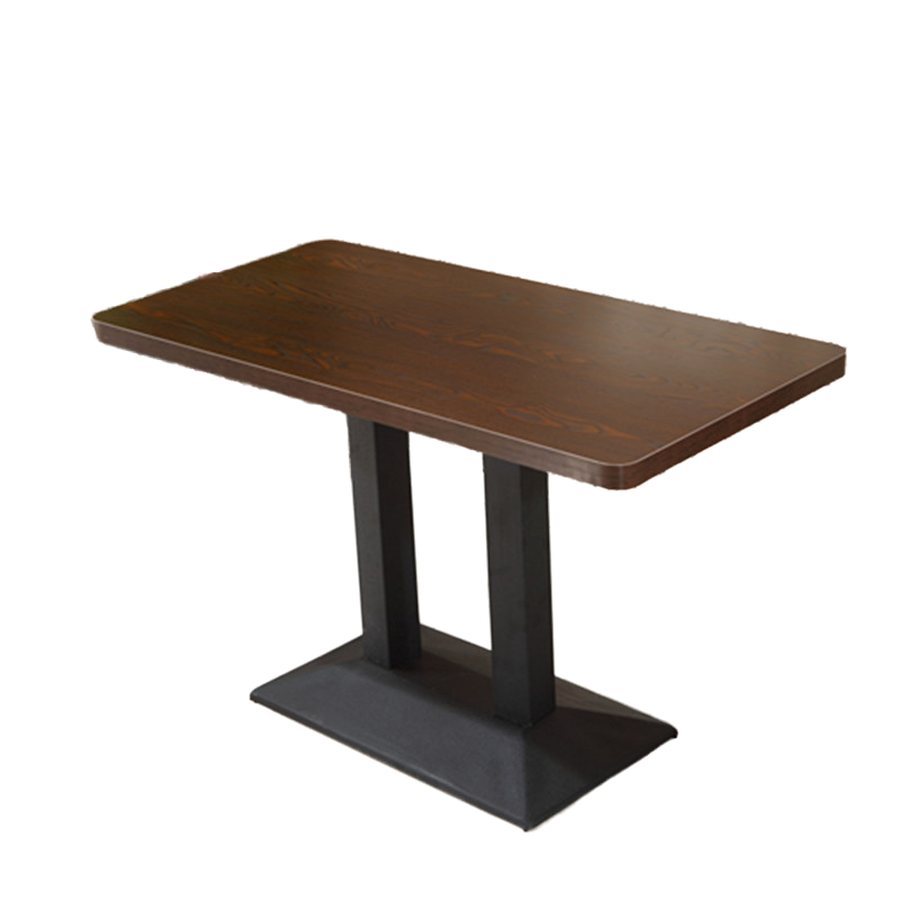
Rectangular table, 1100 × 600 × H750 mm
- 1100 × 600 mm
- 750 mm
- Wood-look face
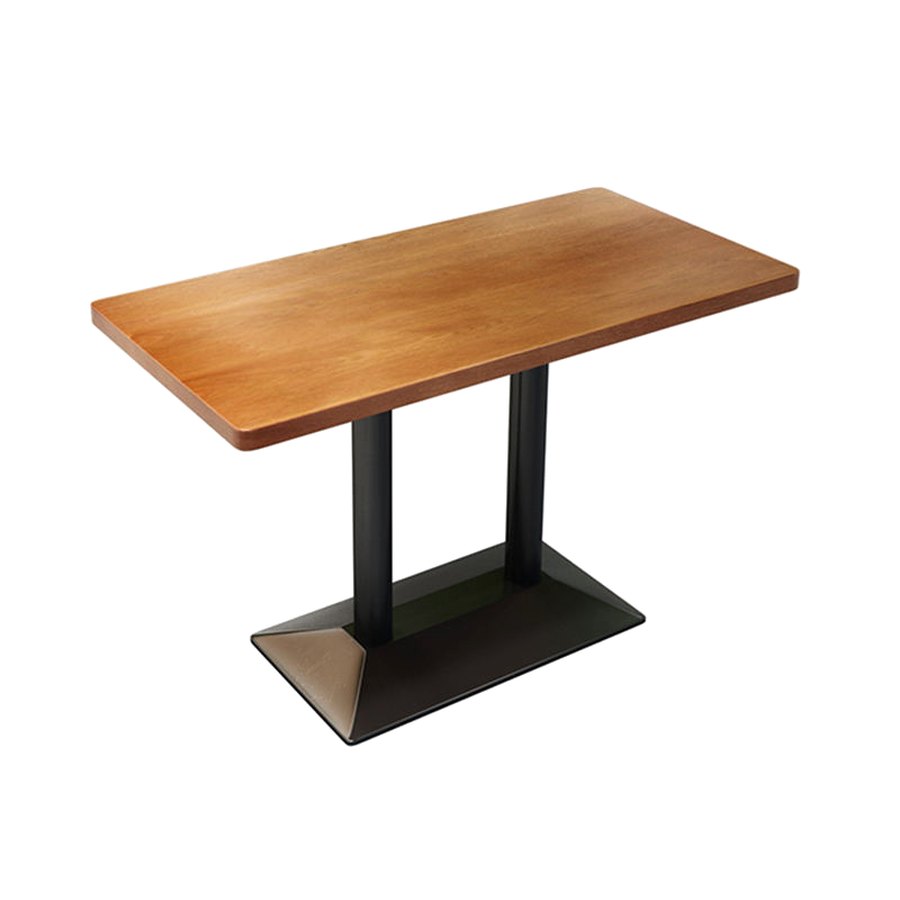
Rectangular solid wood table, metal frame
- Solid wood, rectangular
- Steel
- 2 to 4, by length
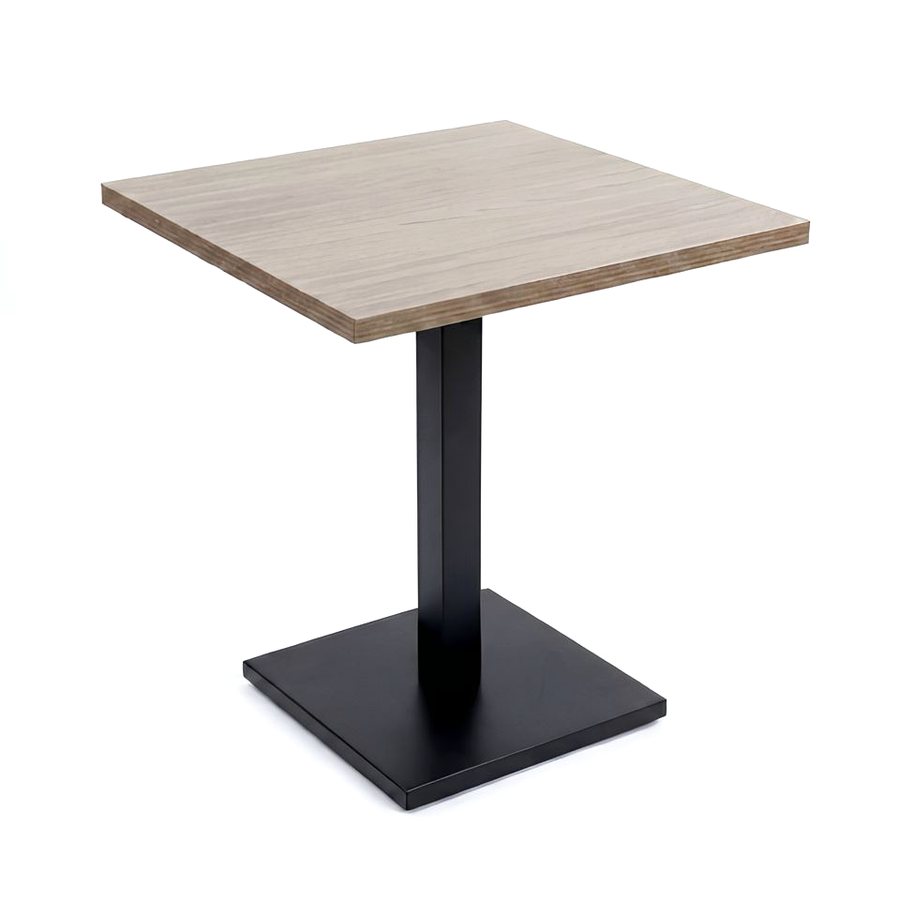
HPL top table, square, 600 mm
- 600 × 600 mm HPL
- Heavy metal, made to order
- Walnut black, or other faces
Poseur tables are a height first, and a base second
Poseur tables stand at 1050 to 1100 mm so they pair with a bar stool at 750 mm. The top is the visible part; the base is what decides whether the table stays where it was put, and whether the guest sitting opposite has anywhere to put their feet.
Standing height changes how a table is used. People lean on it, put a drink down and stay for twenty minutes rather than two hours, so the top needs to resist rings and the base needs to not move when someone leans their weight onto one edge.
| Top height | 1050 or 1100 mm |
|---|---|
| Top shapes | Round 600–800 mm, square 600–700 mm, rectangular cut to length |
| Top materials | Solid ash or oak, compact laminate, stone-effect compact, solid surface |
| Edge profile | Square, chamfered, or bullnose |
| Base | Cast iron cross base, four-leg steel, or central column with spreader footrest |
| Stability | Base footprint sized to 55–60% of the top diameter |
| Fixing | Floor-fixed or free-standing, on adjustable feet |
| Minimum order | On request · typically 10–20 pieces per model |
Base footprint is the number nobody asks about
The 700 mm round top on a 350 mm footprint base tips when someone leans on the edge, and someone always leans on the edge. The base footprint should be 55 to 60 percent of the top diameter for a free-standing table. Below that, the table needs to be floor-fixed, or it needs a heavier base, or the top needs to be smaller.
Choosing a top that survives a bar
- Solid ash or oak. Warmest to look at, and the only option that ages rather than degrades. Needs an oil or lacquer refresh every couple of years in a busy room; a ring left overnight will mark it.
- Compact laminate. The most durable surface per pound spent. Resists rings, spills and heat, wipes clean, and comes in timber and plain colours. Lacks the depth of real timber under a low light.
- Stone-effect compact. Reads as stone without the weight or the cost, and does not chip the way a veneered edge does. The right answer where the bar top is already stone and the tables need to sit under it visually.
- Solid surface. Repairable — a scorch or a scratch can be sanded out on site. Usually specified where the client wants a seamless look and accepts a higher price.
Long runs and communal tables
One long poseur run down the middle of a taproom is usually cheaper per cover than the same number of small rounds, and it reads as one piece of furniture rather than an obstacle course. Runs over 1800 mm need legs or a support frame at intervals; we set the spacing on the drawing so the legs land where they do not fight the stools.
750 mm tables are a different product, not a smaller one
The poseur top is standing furniture: people lean on it for twenty minutes and move on. 750 mm tables are sitting furniture, and they carry a different set of loads — chairs pulled in and out several hundred times a week, elbows on the edge, tables shoved together to seat six.
What changes is the base rather than the top. Dining tables want four legs or a wide pedestal that leaves room for knees; a poseur top wants a footprint at 55 to 60 percent of the diameter so it does not tip when someone leans on the edge. Both are built in the same workshop, in the same top materials, so a room with 750 mm tables on the floor and 1050 mm poseurs at the standing zone keeps one palette.
Matching tops to the stools already chosen
The top height follows the stool, not the other way round. If the stools are 750 mm, the top is 1050 to 1100 mm. If a client has already bought 650 mm counter stools, the tables come down to 900 to 950 mm and the room has two heights in it — which is fine, as long as both were decided together.
What height should a poseur table be?
How wide should the base be for a free-standing poseur table?
Which top material holds up best in a busy bar?
Can you make a table to a specific length?
Do you build 750 mm dining tables as well as poseur height?
Do the tables need to be fixed to the floor?
Next in the same range
Bar Stools
The 750 mm and 650 mm seat heights these tables are built to pair with.
Read more →Chairs
The 450 mm chair that goes with the 750 mm table on the floor.
Read more →Booth & Sofa
Fixed runs for the walls, where loose tables and chairs would not fit.
Read more →Quality & Compliance
What is checked before a table leaves the workshop, and what the reports cover.
Read more →Send a floor plan, get a priced layout back
Tell us the counter length, the number of covers and the look you want. We come back with stool counts, heights, finishes and a written quotation — usually inside three working days.