What gets tested, and what the numbers mean
Load ratings and material reports are easy to quote and easy to misread. This page says exactly what is tested, on what, and what the certificates do not cover.
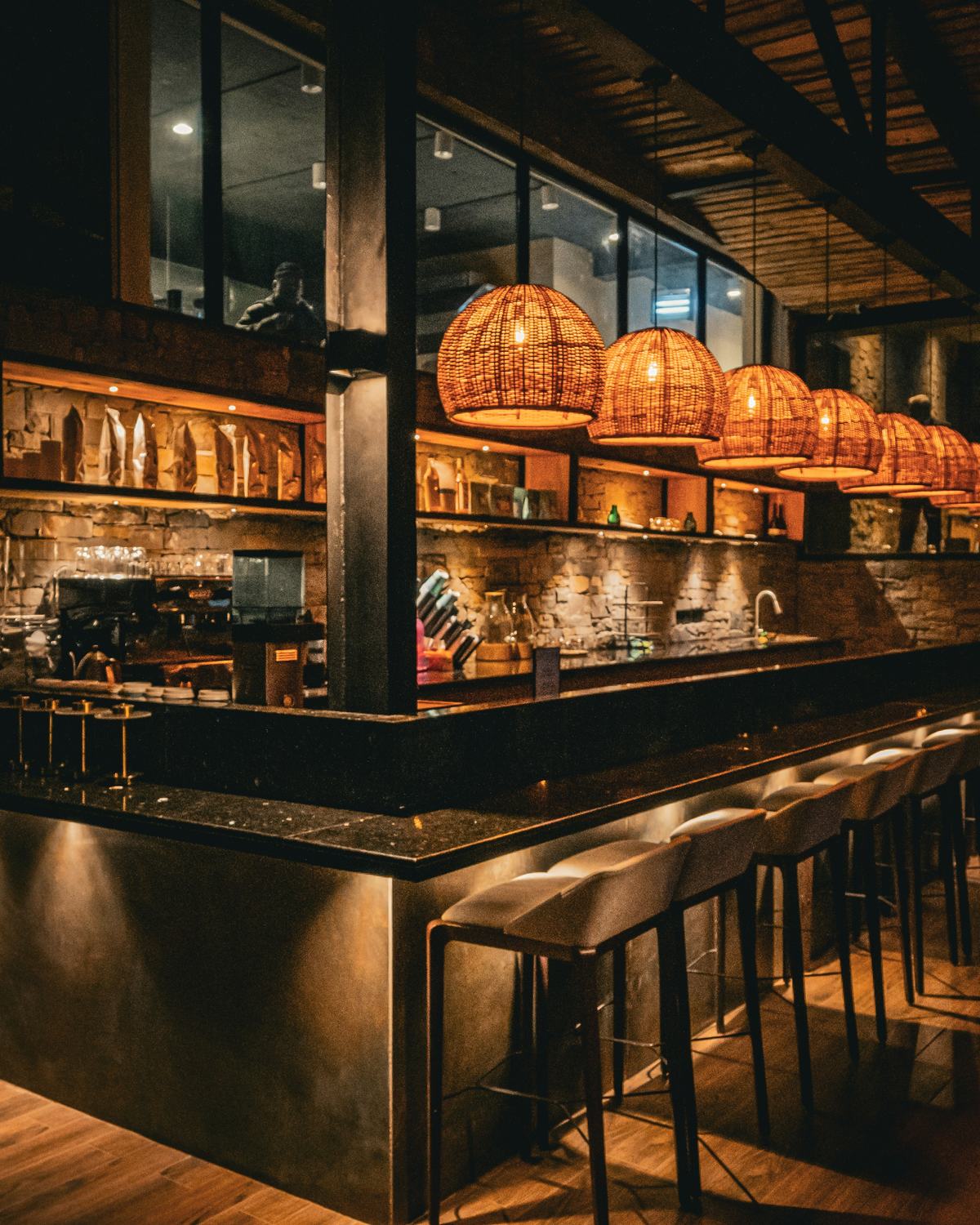
The load figure that matters is the assembled unit
Seat-pad tests and whole-stool tests are not the same thing. Pads can pass a compression test while the frame they sit on fails at the joint, which is where a bar stool actually breaks.
Our 150 kg figure is applied to the assembled stool — frame, joints, footrest and seat together — because that is the unit a guest drops onto from standing height. Impact load travels down the legs, so the joint is the part under test, not the foam.
Material reports, and their limits
Two reports are current for the materials we specify most often:
| Solid ash | Tested under REACH Annex XVII restricted substances |
|---|---|
| PU leather | Heavy metal screening by ICP-OES |
What these reports say is that the material as tested does not exceed the restricted substance limits under the named method. What they do not say is that every batch will match, or that a different fabric you specify will behave the same way. When a client specifies a material we have not tested, we say so and quote against their own test requirement rather than implying coverage we do not have.
What the pre-shipment check actually looks at
- Dimensions against the approved drawing. Seat height, overall height, footprint, and for banquette runs, the total length including scribe allowance.
- Material and finish against the approved sample. Colour batch, sheen, and for powder coat, the coating on the foot where wear shows first.
- Hardware and assembly. Every fixing present, threads clean, and knocked-down items trial-assembled before packing.
- Weld quality at the footrest. Ground flat with no undercut, because this is the joint that decides whether a stool rocks in year two.
- Upholstery at the wear points. Seat front edge, back corners, and the piping if there is any.
The check takes about two days and finishes before the container is loaded. Inspection sheets travel with the shipping documents, so there is a record of what was examined and what was found.
What we do not claim
We hold no CE marking and no BIFMA certification, and we do not claim either. Where a project needs a tested assembly, we quote against the test the project specifies rather than against a mark we do not carry.
We do not hold a furniture-level fire certificate for every combination of frame and cover, because that certificate belongs to the fabric and the foam as assembled by a specific process. Where a project needs one, we work to the fabric house's own certification and say clearly which document supports which claim.
We do not claim that a finish is indestructible. Timber marks, powder coat chips at the foot, and a mirror stainless frame will show every fingerprint. The honest specification is the one that names the wear pattern and the maintenance it implies.
Why this matters more in a pub than anywhere else
The use pattern in a bar is the hardest in commercial furniture: long dwell times, movement, spillage, and furniture that gets dragged rather than lifted. Specification that would be generous in an office is marginal here. That is why the seat pan is dished, the footrest is welded rather than bolted, and the load figure is quoted on the whole unit.
Is 150 kg a seat test or a whole-stool test?
What do the material reports cover?
Do you provide a fire certificate for upholstery?
What happens if the inspection finds a fault?
Can I arrange a third-party inspection?
Next in the same range
Send a floor plan, get a priced layout back
Tell us the counter length, the number of covers and the look you want. We come back with stool counts, heights, finishes and a written quotation — usually inside three working days.